Autonomous Robotics
Services
The big question
How do we bridge the gap between simulation and real-world RC vehicle control for autonomous navigation?
The Objective
a robust control system for RC vehicles, utilizing sensor fusion and reinforcement learning for navigation.
This project focuses on developing autonomous navigation capabilities for RC vehicles. We implemented a control system that uses sensor fusion and reinforcement learning to navigate complex terrains. By bridging the gap between simulated training and real-world deployment, the robots can adapt to dynamic environments, ensuring reliable performance and precision in autonomous RC and robotics operations.

Visual direction
The visual direction for Autonomous RC & Robotics Systems revolves around "Functional Aesthetics." We utilized a rugged, industrial palette of matte blacks, Caution Orange, and brushed aluminum textures. The design focuses on technical schematics and real-time telemetry visualizations, using clean, sans-serif typography for maximum readability during operation. We developed custom 3D model overlays that show the robot's orientation and sensor range in real-time, providing operators with immediate spatial feedback. Every element of the UI, from the low-latency video feeds to the modular control widgets, was optimized for high-performance interaction in field environments, blending mechanical utility with modern digital precision.

Focus on Experience
The operational experience is centered on seamless control and automated decision-making. Operators are provided with a "Mission Control" dashboard that integrates obstacle avoidance metrics, battery health, and GPS localization into a single, unified view. Interactive maps allow for drag-and-drop waypoint navigation, with the robot's planned path visualized against live sensor data. We focused on high-frequency feedback loops, ensuring that the interface remains responsive even under challenging network conditions. This robotics platform transforms complex autonomous navigation into an intuitive, safe, and highly efficient experience for researchers and industry professionals alike.
The autonomous systems have been successfully field-tested in diverse terrains, demonstrating robust obstacle avoidance and navigation capabilities.
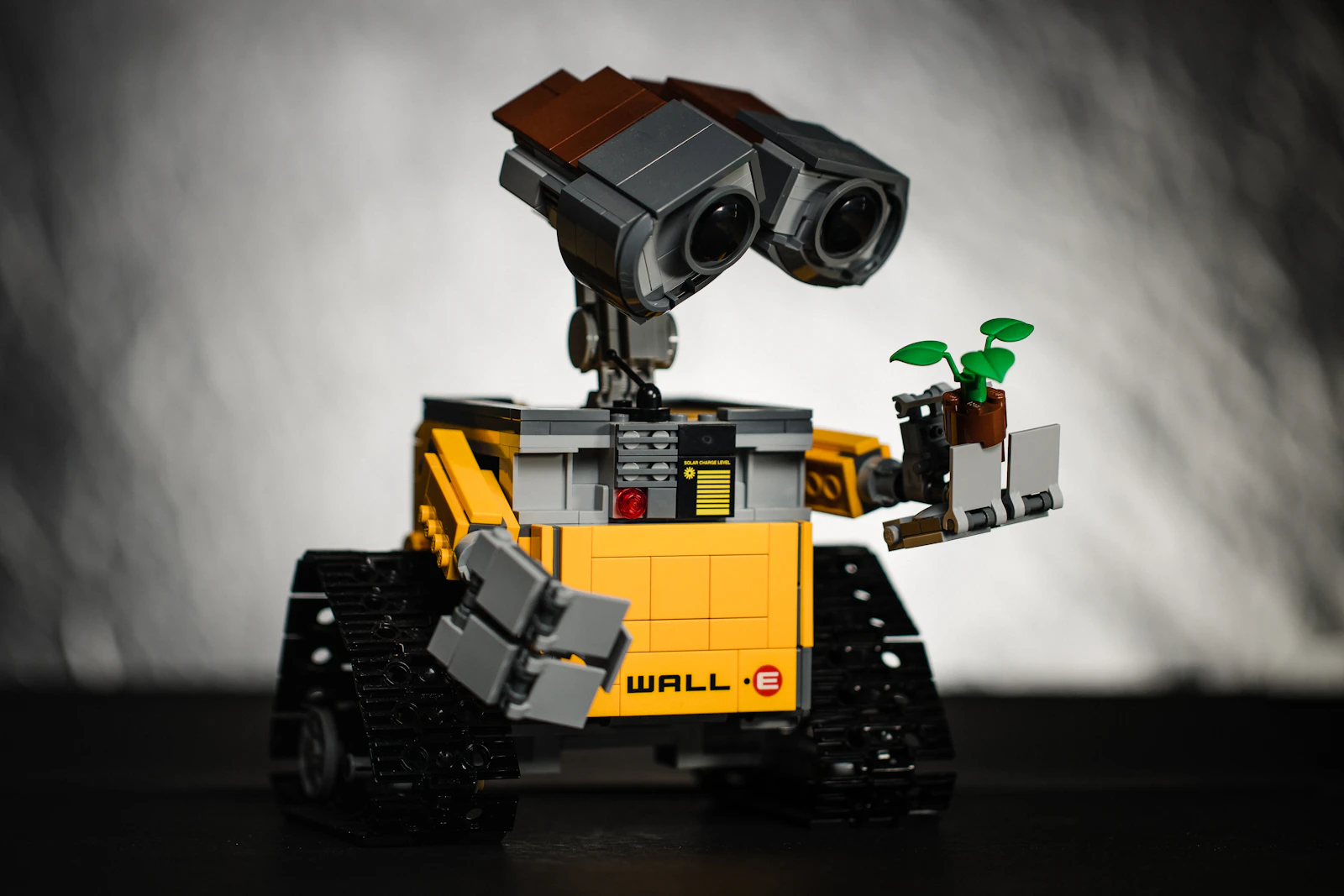

Vision-based path planning and control.
